
There’s something special about autumn. The mornings feel a little crisper, the evenings begin to draw in, and the trees slowly transform from green to a beautiful mixture of gold, orange, red and brown.
But what actually causes leaves to change colour?
The answer is a fascinating combination of sunlight, temperature and chemistry — and it all starts as the days become shorter.
Why Are Leaves Green?
During spring and summer, leaves are busy making food for the tree through a process called photosynthesis.
Leaves contain a green pigment called chlorophyll, which absorbs sunlight and helps convert it into energy. Chlorophyll is so dominant during the growing season that it masks many of the other pigments that are naturally present in the leaf.
This is why trees appear predominantly green throughout the warmer months.
What Changes in Autumn?
As summer comes to an end, the days become shorter and there is less sunlight available.
Trees respond to this change by gradually slowing down their production of chlorophyll. As the green pigment breaks down, the other colours that have been hidden within the leaves begin to appear.
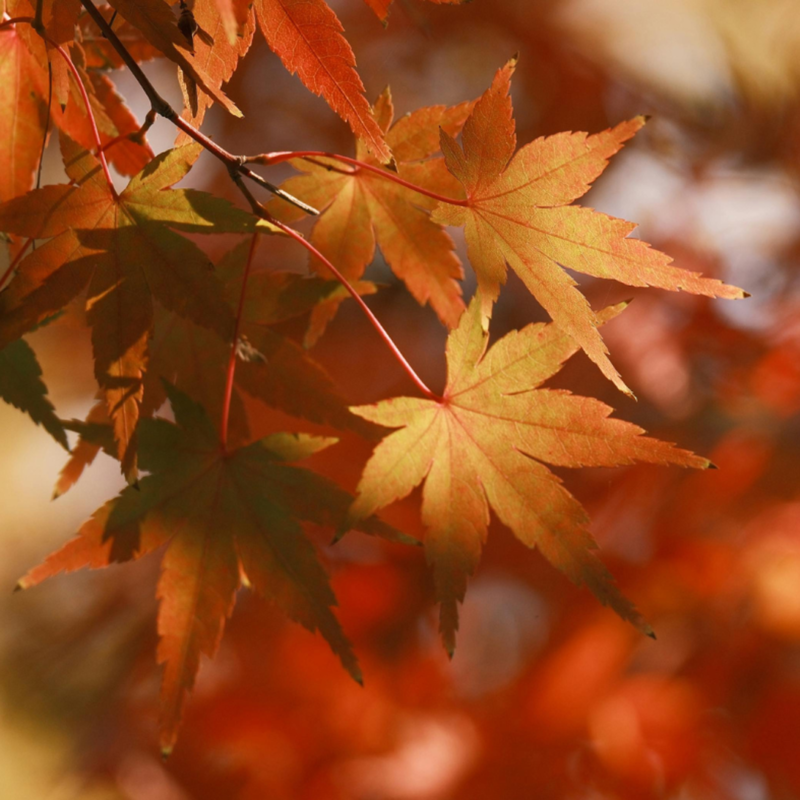
This is when we start to see the familiar golden yellows and oranges of autumn.
Where Do the Reds Come From?
The red and purple colours found in some autumn leaves are produced by pigments called anthocyanins.
Unlike the yellow and orange pigments, which are already present in the leaf, anthocyanins can be produced by the tree during autumn.
They are more likely to develop when autumn days are sunny, but nights are cool, which can help create some of the particularly vibrant reds we see in certain years.
Why Don’t All Trees Change at the Same Time?
You may have noticed that one tree can be covered in golden leaves while another nearby is still almost completely green.
There are several reasons for this.
Different species naturally change colour at different times, while temperature, sunlight, rainfall and the tree’s location can all affect the timing.
Even individual leaves on the same tree can change at slightly different rates.
This is why autumn doesn’t arrive all at once — instead, the landscape gradually changes over several weeks.
Why Do Leaves Eventually Fall?
As winter approaches, trees prepare to conserve energy and protect themselves from the colder conditions ahead.
A layer of cells forms between the leaf and the branch, gradually cutting off the leaf’s supply of water and nutrients. Eventually, the leaf becomes detached and falls to the ground.
For deciduous trees, this is an important part of surviving the winter.
Autumn Is More Than Just a Change of Colour
The falling leaves might signal that winter is approaching, but they also play an important role in the natural world.
Once leaves reach the ground, they gradually break down and return nutrients to the soil. They can also provide shelter for insects and other wildlife during the colder months.
So that carpet of leaves on the ground is doing more than simply making an autumn walk look beautiful.
Enjoying the Changing Season
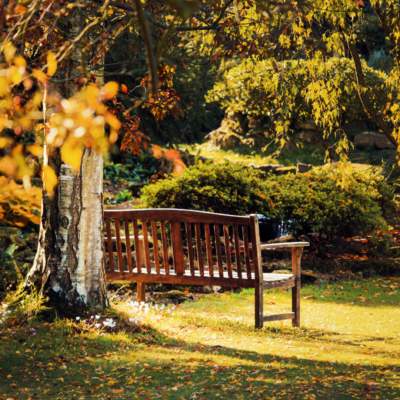
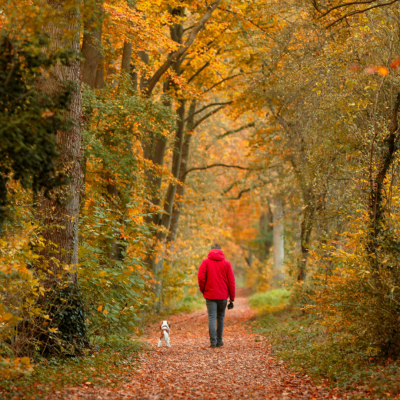
Autumn is one of the easiest seasons to appreciate right on our doorstep. A walk through a local park, woodland or countryside can reveal something different each week as the colours gradually change.
From the first hints of yellow to the final leaves falling from the trees, there is something wonderfully temporary about the autumn landscape.
So next time you’re walking through a carpet of leaves, take a moment to look up at the trees above you. Those changing colours are the result of a fascinating natural process — and one of the simple things that makes autumn such a beautiful time of year.
Share on Social Media:




Get in Touch