
Afternoon tea is one of Britain’s most enduring social traditions, combining elegance, hospitality, and a moment of pause in the middle of the day. What began as a simple refreshment has evolved into a cultural experience enjoyed across the country and around the world.
The Origins of Afternoon Tea
The tradition of afternoon tea is widely credited to Anna, the Duchess of Bedford, in the early 19th century. At the time, it was common for the evening meal to be served quite late, leaving a long gap between lunch and dinner.
To bridge this gap, the Duchess began requesting a light meal of tea, bread, and cakes in the afternoon. This private habit soon became a social occasion, as she began inviting friends to join her.
From Private Ritual to Social Event
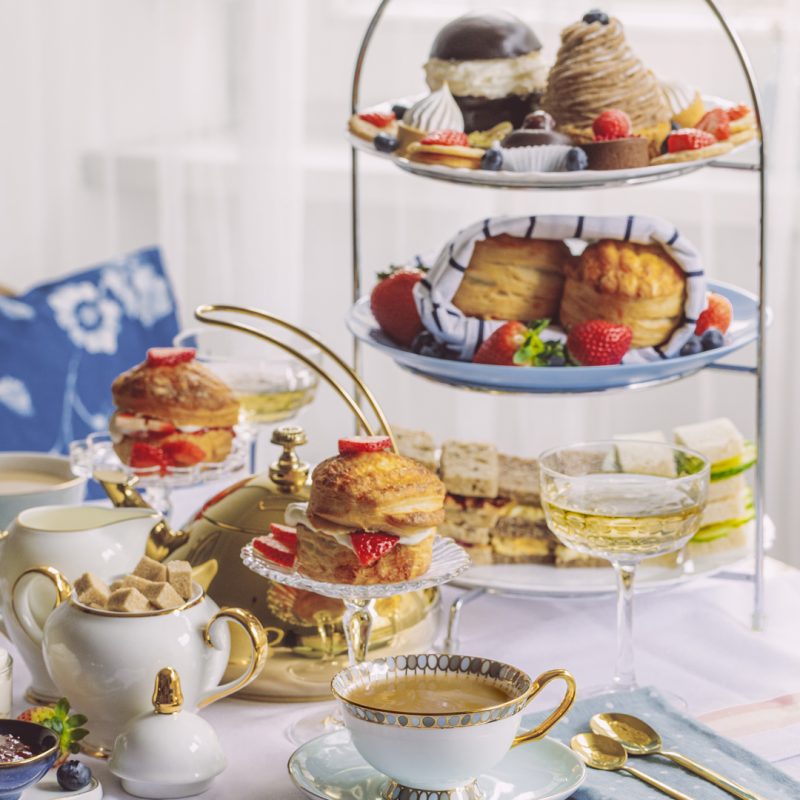
What started as a personal routine quickly gained popularity among the upper classes in Britain. Afternoon tea became an opportunity to socialise, often served in drawing rooms with fine china, finger sandwiches, and delicate pastries.
Over time, it developed into a more formalised tradition, with hotels and tea rooms across the country offering afternoon tea services that remain popular today.
The Elements of a Traditional Afternoon Tea
A classic afternoon tea typically includes a selection of finger sandwiches, freshly baked scones served with clotted cream and jam, and a variety of cakes and pastries. Of course, tea itself remains at the centre of the experience, with a wide range of blends available to suit different tastes.
Presentation and etiquette also play an important role, with attention to detail reflecting the elegance associated with the tradition.
A Tradition That Continues Today
While modern life has changed significantly since its origins, afternoon tea remains a popular way to celebrate special occasions or simply enjoy a relaxed afternoon with friends and family.
From luxury hotels to local cafés, the tradition continues to be reimagined while still honouring its historical roots.
Final Thoughts
Afternoon tea is more than just a meal; it is a reflection of British culture and hospitality. Its long history and continued popularity show how simple traditions can evolve while still remaining meaningful today.
Whether enjoyed in a grand hotel or a local tearoom, afternoon tea continues to offer a moment of calm and connection in an increasingly busy world.
Share on Social Media:





Get in Touch